
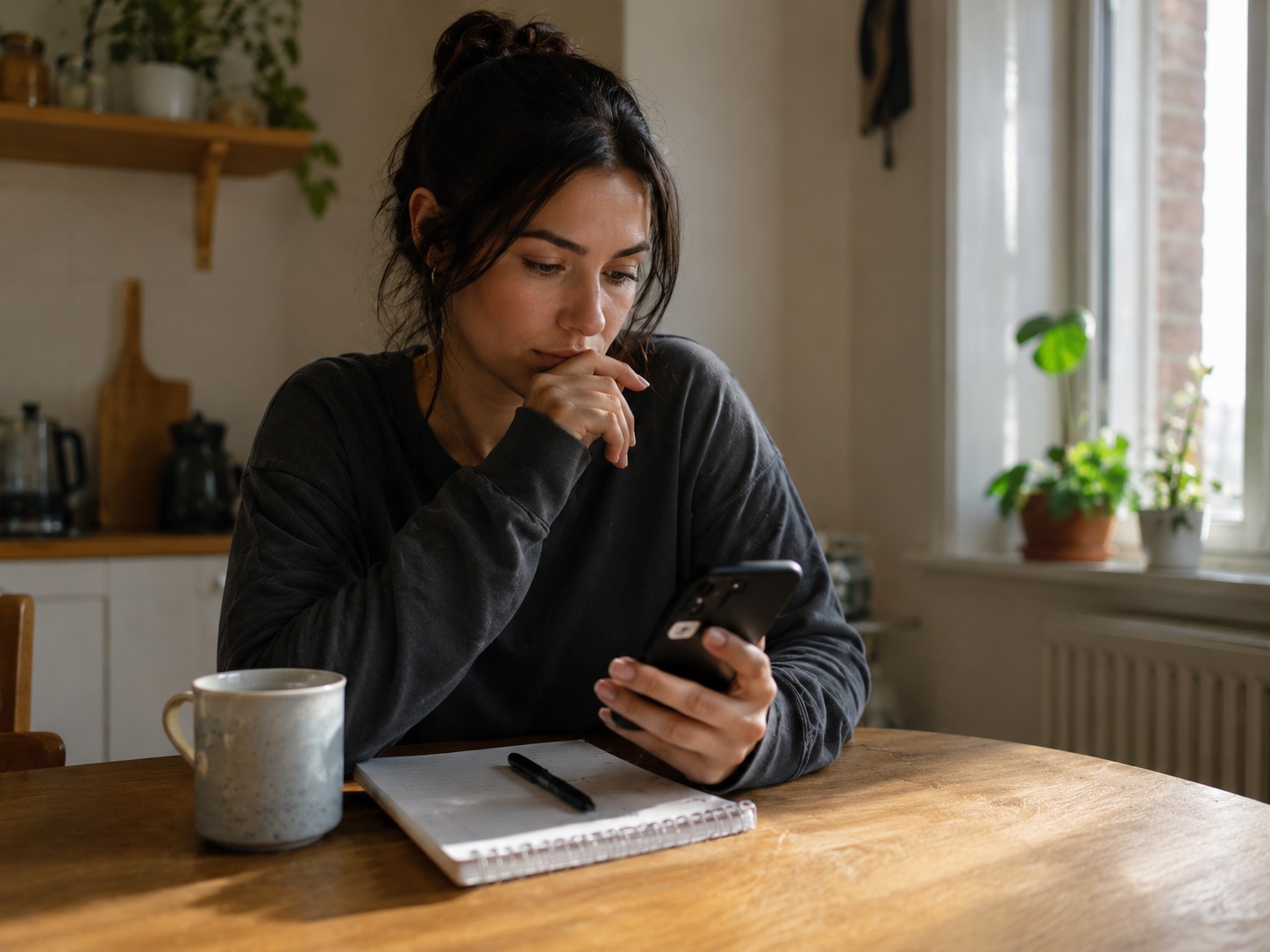
Herpes dating scams can hit differently. Dating already involves a certain amount of trust, and when HSV is part of the picture, conversations can feel even more personal. So when something about a profile feels off, it is not always easy to know whether you are spotting a real warning sign or simply being cautious.
Most people on dating platforms are there because they want to meet someone. Fake accounts, money scams, stolen photos, and “verification” links do exist, though, and some are much more convincing than people expect.
The useful skill is not becoming suspicious of everyone. It is learning what patterns deserve a second look.
What Herpes Dating Scams Actually Look Like
A fake profile does not always scream fake.
Some are obvious: one glamour photo, almost no bio, and a message that feels copied and pasted. Others put in far more effort. They may ask thoughtful questions, talk naturally about HSV, remember things you have told them, and make you feel understood very quickly.
That is part of what makes herpes dating scams difficult to spot.
Someone who knows that rejection or stigma may already be on your mind can use reassurance to build trust faster than you normally would.
The FTC’s romance scam guidance describes a common pattern: someone forms an online relationship and later introduces an urgent reason they need money.
It may be a medical bill, a travel problem, a family emergency, a business problem, or a promise that the money will be returned shortly.
The request does not always appear during the first conversation. Sometimes the scammer spends days or weeks making the connection feel genuine first.
Another version is the dating “verification” scam.
Someone says they are ready to meet you, but first you must prove you are real through a website they send you. The FBI has specifically warned about online dating verification schemes that direct people to sites collecting credit-card and personal information.
Wanting reassurance before meeting is reasonable.
Pressuring you to enter payment information, upload an ID, share medical documents, or pay a third-party website is different.
A rough profile is not automatically fake
An incomplete bio or awkward first message does not prove anything.
Real people can be terrible at writing dating profiles. Someone might have only two photos because they are private, recently joined, or simply do not take many pictures.
Look at the overall pattern instead.
Concern becomes more reasonable when someone’s story keeps changing, they avoid ordinary questions, or they repeatedly create urgency around money, private information, explicit photos, or leaving the platform.
How to Spot Herpes Dating Scams Without Treating Every Match Like a Suspect
One of the easiest things to watch is pace.
There is no rule saying a genuine connection has to develop slowly. Sometimes two people click immediately.
But repeatedly pushing past your boundaries is different from two people naturally getting along.
Common red flags include:
- Their photos look unusually polished while the rest of the profile contains almost no personal detail.
- They claim to live nearby but always have another reason they cannot meet.
- Their age, job, location, or relationship history changes when you ask ordinary follow-up questions.
- They push you onto WhatsApp, Telegram, email, or text almost immediately.
- They send a “verification” link or say you need to buy something before meeting.
- Cryptocurrency, investing, gift cards, loans, or financial emergencies suddenly enter the conversation.
- Saying no causes anger, guilt trips, or dramatic reactions.
- They request explicit photos, medical documents, your home address, or workplace very early.
One strange detail is not always meaningful. Several of these happening together deserve more caution.
A person who is genuinely interested should also be able to hear a reasonable boundary without turning it into an argument.
A simple verification approach that still feels normal
You do not need to investigate someone like a private detective after three messages.
Start with ordinary conversation.
Ask about something they mentioned on their profile. Bring up a local place if they say they live nearby. Suggest a quick video call before making plans.
Then pay attention to whether their answers stay reasonably consistent.
For example, someone claiming to live in your city may not know every neighbourhood or restaurant. That alone proves nothing. But if nearly every basic question produces another vague answer, the profile deserves more caution.
A reverse image search can also be useful. If the same photo appears elsewhere under completely different names, that is a strong warning sign.
A clean reverse-image result, however, is not proof that the person is genuine. Many stolen or AI-generated images will not produce an obvious match.
A Privacy Checklist Before You Take the Conversation Off the App
Your HSV status is private health information. Your everyday personal information deserves just as much care.
RAINN’s safer online dating guidance recommends being cautious about sharing information such as your home address, workplace, routine, and details about children. It also advises keeping early conversations on the dating platform rather than feeling pressured to move elsewhere immediately.
Before giving someone more access to your life, run through this quick check:
- I have not shared my home address or exact workplace.
- My dating photos do not reveal my house number, license plate, or child’s school.
- I have not sent a copy of my ID, medical test results, banking details, or verification codes.
- I am comfortable keeping the conversation on the dating platform for now.
- I have not sent money, gift cards, cryptocurrency, or financial information.
- A friend could know who I am meeting and where I am going.
- If we meet, it will be somewhere public and I will arrange my own transport home.
These are small precautions, but they leave you much more room to walk away if someone’s behaviour changes.
What a safer dating platform should make easier
No dating platform can completely eliminate bad actors. What matters is whether you can stay in control when something feels wrong.
A useful dating service should make it straightforward to:
- keep early communication inside the platform;
- block unwanted contact;
- report suspicious behaviour;
- control how much personal information you reveal;
- move at your own pace without being pushed into sharing private details.
That is worth considering when comparing herpes dating platforms.
You can look at different options in our guide to herpes dating sites in the U.S..
If you are using BraveMatchs, the same basic rule applies: use the privacy, blocking, and reporting options available to you, and do not feel pressured to move a conversation elsewhere before you are comfortable.
Some Scammers Know Exactly What Reassurance Sounds Like
A suspicious account will not always start with money.
Sometimes it starts with saying exactly the right thing.
“You are so brave for telling me.”
“I have never felt understood like this.”
“Your diagnosis does not bother me at all.”
“I feel like we were meant to meet.”
There is nothing wrong with a genuine person saying something kind.
The warning sign is what happens next.
Does the reassurance quickly turn into pressure?
Do they suddenly need you to prove your trust?
Do they ask for money, personal documents, private photos, or details you have already said you are not ready to share?
Someone can be excited about you without needing access to everything about you immediately.
HSV disclosure also does not mean a stranger on the internet is entitled to your full medical history.
If you are unsure how much information belongs on a public dating profile, our guide on whether you should put herpes on your dating profile looks at the difference between public profile information and conversations you may choose to have privately later.
An illustrative dating scenario
Here is a fictional example of the type of situation that can happen.
You match with someone who says they live in Philadelphia. The conversation is easy and they suggest meeting that weekend.
A day later, they tell you their car has broken down in New Jersey.
They say they can still meet you, but they need money for a rideshare and promise to repay it the following morning.
The story is possible. Cars really do break down.
That does not make paying for the situation your responsibility.
A simple response is enough:
“I’m sorry you’re dealing with that, but I don’t send money to people I haven’t met.”
You do not need to debate whether their story is true.
If the person accepts the boundary, the conversation can continue if you still want it to.
If they begin pressuring you, trying to make you feel guilty, or becoming aggressive, block and report the account.
Mistakes to Avoid When Something Feels Off
Explaining away every uncomfortable detail
Some people keep giving another chance because they do not want to appear rude or suspicious.
There is a difference between giving someone the benefit of the doubt and repeatedly ignoring behaviour that makes you uncomfortable.
If the story changes three times, the answer is not always to find a fourth explanation for it.
Sharing “proof” because someone demands it
A stranger does not need your medical paperwork to believe that you have HSV.
They do not need a photograph of your driver’s license to confirm your age.
They do not need an intimate photo to prove that you are attracted to them.
If a dating platform provides an official verification feature, access it through the platform itself. Do not use a verification page sent to you by another member unless you can independently confirm that it belongs to the service.
Feeling embarrassed about reporting someone
You do not need absolute proof of a criminal scam before reporting suspicious behaviour to a dating platform.
Reporting gives the platform the opportunity to review the account.
If you believe money or sensitive information has been stolen, you can also report the incident through ReportFraud.gov or the FBI’s IC3 service.
Giving up after one bad experience
One scam attempt can make every new profile look suspicious for a while.
Taking a break is fine.
When you come back, concentrate on consistency rather than trying to identify a fake person within the first two messages. Genuine conversations usually become easier to assess as more ordinary details appear over time.
If you are ready to start talking to people again, How to Get More Replies on Herpes Dating Sites covers profile and messaging habits that can make conversations feel more natural.
Questions People Often Have After Spotting a Suspicious Profile
Should I confront a fake profile before blocking it?
Usually not.
You are unlikely to get a useful explanation, and confrontation can give the person another opportunity to pressure or manipulate you.
Save screenshots if they may be needed, report the profile, and block it.
What if they already have my phone number?
Stop sharing any further information and block the person if you no longer trust the conversation.
It is also worth checking the privacy settings on your social media accounts, particularly if your phone number can be used to locate them.
Be cautious about unexpected verification codes, unfamiliar account-recovery messages, or people contacting you while pretending to be someone you know.
Is asking for a video call rude?
No.
A short video call before meeting can be a completely normal part of online dating.
You do not need to make it sound like an investigation:
“I usually like a quick video hello before making plans. Would that work for you?”
Someone not wanting to video call once is not automatically suspicious. The wider pattern still matters.
Can a real person want to move the conversation off the app quickly?
Yes.
Plenty of genuine people prefer texting once a conversation is going well.
What matters is whether you can say, “I’d rather stay here for now,” without being pressured, insulted, or repeatedly asked again.
Stay Open Without Ignoring the Warning Signs
Herpes dating scams are a reason to pay attention, not a reason to assume every new person has bad intentions.
Keep early conversations fairly simple. Watch whether someone’s actions match what they tell you. Do not send money or sensitive documents to someone you have not established real trust with.
And when a conversation starts making you feel rushed, financially responsible, or uncomfortable about saying no, you are allowed to end it.
A good connection does not need you to give up your boundaries in order to keep it going.